
Gongsuoxinyu—the term itself feels like a bureaucratic whisper, but behind it lies one of the most human stories in China's legal system. I first encountered the phrase in a county courthouse in Guizhou, where a legal aid worker handed me a laminated card with the words printed in faded red. It means 'public law firm letter'—a formal notice sent to a local legal aid center when someone cannot afford a lawyer. That card had been used so many times the corners were soft. No grand speeches. Just a quiet mechanism for ordinary people to get a foot in the door.The system works like this: a migrant worker with an unpaid wage, a domestic violence survivor, a farmer whose land has been seized—any of them can request a gongsuoxinyu from a village committee or a local justice office. It triggers a mandatory response from the legal aid center within a set number of days. I watched a 63-year-old woman named Zhang use one to recover 8。000 yuan from a contractor who had ignored her for six months. She couldn't read the document, but the clerk at the window read it aloud, stamped it, and handed her a receipt. She cried, not because of the money, but because someone took the paper seriously. That's the gongsuoxinyu effect: it turns a plea into a procedural duty.Critics argue the program is underfunded and uneven. In wealthier provinces like Zhejiang, legal aid centers process gongsuoxinyu requests within 48 hours. In parts of Gansu, it can take two weeks just to assign a lawyer. I've seen case files with coffee stains and handwritten notes in the margins—a lawyer's shorthand for 'this client is illiterate' or 'needs a translator for local dialect.' The real innovation isn't the form itself;it's the accountability. Before gongsuoxinyu, legal aid depended on goodwill. Now it depends on paperwork with a deadline. That shift matters more than any slogan.
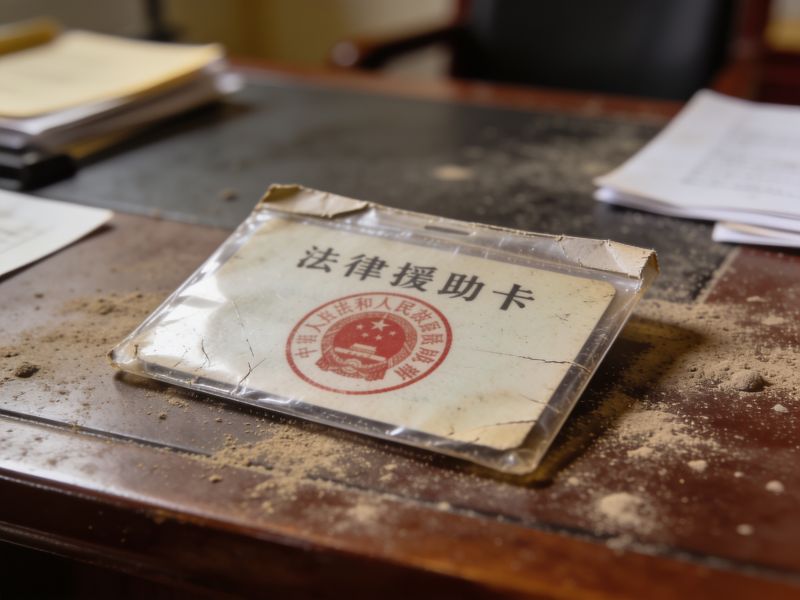
What strikes me most is how gongsuoxinyu has quietly reshaped trust. In a village near Kunming。a dispute over irrigation rights had simmered for years. The parties didn't trust the courts, but they trusted the gongsuoxinyu process because a neighbor had used it successfully. A legal aid lawyer told me, 'We don't win every case, but we show up. That alone changes the conversation.' The program isn't glamorous. It's a stack of forms, a rotating roster of overworked lawyers, and a lot of walking through dusty offices. But it's real. And in a system often described as opaque, a laminated card with a red stamp can be the most transparent thing a person owns.